• Skip to main content
  • Skip to primary sidebar
Looking to find the best discounts on Kratom? Sign up for our weekly newsletter to receive coupons and deals!
Left Coast Kratom Logo
  • Buy Kratom
    • Kratom Powder
    • Kratom Extract
    • Kratom Capsules
    • Accessories
  • Resources

LCK

Kratom Laws by State 2026: Where It’s Legal & Banned

June 4, 2026 by LCK

If you have followed our blog, you know kratom’s legal landscape has been moving faster than ever. The last twelve months brought new bans, one historic reversal, and a wave of pending bills — and as of this update, Tennessee has become the 8th state to ban kratom outright, including the natural leaf.

We built this page as a single resource you can bookmark and come back to. Below you will find an interactive map of all 50 states (plus D.C.), a timeline of the biggest recent developments, a plain-English look at where 7-OH stands at the federal level, and how you can help protect access.

⚠️ Important disclaimer: This guide is for informational purposes only and is not legal advice. Laws change frequently — always verify your local and state regulations before making a purchase. For specific legal questions, consult a qualified attorney in your state.

Interactive Legal Status Map

Hover, tap, or focus any state to see its current kratom status. Use the filter buttons to highlight a single category.

Legal & Regulated (KCPA) Legal (no specific law) Restricted / partial Banned Pending legislation
DC
Hover, tap, or focus a state to see its current kratom status.

Natural Kratom Is Still Legal in Most States

We only sell lab-tested, all-natural kratom — never synthetic 7-OH. If it ships to your state, it is ready when you are.

Shop Kratom Powder Shop Kratom Extracts

What Changed in 2025–2026: A Timeline

Here are the most significant developments of the past year, newest first. Green dots are wins for kratom access, red dots are new bans, and orange dots mark pending or mixed news.

April 2026
🚨 Tennessee Bans Kratom (HB1649)

Gov. Bill Lee signed “Matthew Davenport’s Law,” making Tennessee the 8th state to fully ban kratom — natural leaf included. The ban takes effect July 1, 2026.

March 2026
Federal Pressure Builds

A group of U.S. senators urged the FDA to schedule kratom, and a House member pressed the DEA for emergency action on concentrated 7-OH. No federal rule has been finalized.

December 2025
Ohio Issues Emergency Rule

Ohio’s Board of Pharmacy moved to allow only products made of pure mitragynine, restricting most extracts while permanent rulemaking continues.

August 2025
Louisiana Ban Takes Effect

SB 154 reclassified key kratom alkaloids as Schedule I substances. Here is what Louisiana’s ban means for buyers.

July 2025
FDA Recommends 7-OH Scheduling

The FDA recommended that the DEA place concentrated 7-hydroxymitragynine on Schedule I. The recommendation targets the synthetic derivative — not natural kratom leaf.

July 2025
Rhode Island Reverses Its Ban 🎉

In a historic first, Rhode Island passed legislation to reverse its kratom ban and move to a regulated framework, effective April 1, 2026.

May 2025
South Carolina Signs KCPA

South Carolina required locked display cases and set limits on synthetic alkaloid content — a model for responsible regulation.

March 2025
Mississippi Passes KCPA (HB1077)

Mississippi set a 21+ age requirement and banned synthetic 7-OH concentrates while keeping natural kratom accessible to adults.

By the Numbers: 2026 Snapshot

16
States with KCPA or similar regulation
20
Legal with no specific law
8
States with full bans
3
States with partial restrictions
4+
States with major pending bills

What Is Going On With 7-OH?

One of the biggest stories of the past year is the wave of action around 7-hydroxymitragynine (7-OH) — a concentrated, often semi-synthetic derivative that is far more potent than the trace amounts found among kratom’s naturally occurring alkaloids. Here is the key context, in plain English.

✅ Federal status: Kratom itself remains unscheduled and legal at the federal level. In July 2025 the FDA recommended that the DEA schedule concentrated 7-OH; as of this update the DEA has not finalized a rule. The action targets concentrated 7-OH products — not natural kratom leaf or traditional kratom products.

At Left Coast Kratom, we have never sold or supported synthetic 7-OH products. We believe the distinction between natural kratom and concentrated derivatives is critically important, and we support sensible regulation that protects consumers while preserving access to natural, lab-tested kratom. We covered why we support a ban on synthetic 7-OH in more detail here.

States that have independently restricted or banned 7-OH products include Louisiana, Connecticut, Mississippi, Colorado, Florida, Ohio, Tennessee, and South Carolina — though in several of these, natural kratom rules differ from the rules on concentrates.

Spotlight: Tennessee’s New Ban

🚨 Effective July 1, 2026: On April 16, 2026, Gov. Bill Lee signed HB1649, “Matthew Davenport’s Law.” It makes all kratom — including natural leaf, powder, capsules, and extracts — illegal to possess, sell, or distribute in Tennessee. Possession becomes a Class A misdemeanor; manufacture, delivery, or sale becomes a Class C felony. Once the ban takes effect, we can no longer ship kratom to Tennessee addresses.

Tennessee kratom ban: HB1649 (Matthew Davenport's Law) takes effect July 1, 2026

Why Advocacy Matters More Than Ever

If the timeline makes one thing clear, it is that nothing is settled. States are moving in both directions — some passing protections while others advance new bans. The outcome often depends on whether informed voices show up to the conversation.

💬Contact your reps

State legislators decide these bills. A personal call or email from a constituent carries real weight — especially while a bill is in committee.

📜Support the KCPA

The Kratom Consumer Protection Act sets age limits, lab-testing, and labeling standards — the responsible alternative to an outright ban.

🤝Join the AKA

The American Kratom Association tracks bills nationwide, mobilizes supporters, and provides resources for testimony and public comment.

We Will Keep This Page Updated

We plan to update this guide as new legislation passes, bills advance, and the landscape keeps shifting. Bookmark it and check back so you never miss a change in your state.

New to Kratom? Start Small.

Not sure which strain is right for you? Our sample packs are the easiest way to explore lab-tested, all-natural kratom.

Explore Sample Packs

⚠️ Reminder: This article is updated periodically but may not reflect the very latest change in every jurisdiction. Always check your state and local laws before purchasing. This is not legal advice.
Filed Under: Resources Tagged With: advocacy, kratom, kratom legality, kratom map, kratom regulations

HHS Schedules 7OH: Why We Support the Ban

July 29, 2025 by LCK

The Department of Health and Human Services (HHS) has issued an emergency Schedule 1 classification for 7OH Kratom products, citing its potency, safety concerns, and risk for abuse.

Unlike natural Kratom leaves or powder, 7OH is a manipulated alkaloid extracted and concentrated far beyond its natural form. This scheduling is a clear signal from regulators: synthetic or ultra-potent Kratom derivatives have no place in a safe, responsible marketplace.

Why We Support This Decision

At Left Coast Kratom, we have always opposed synthetic or manipulated forms of Kratom like 7OH. This ban helps reinforce the distinction between authentic, plant-based Kratom and dangerous lab-made alternatives, safeguarding consumers and advancing industry credibility.

Natural Kratom vs. Synthetic 7O

Natural Kratom products, derived directly from the leaf, have been used traditionally for centuries and represent the foundation of our industry. 7OH, however, is neither traditional nor safe. Its potency exceeds what nature intended, and this kind of manipulation risks drawing negative attention to legitimate Kratom use.

Our 100% Natural Extracts

Left Coast Kratom is proud to offer pure, naturally derived Kratom extracts—crafted from leaf or powder only, never synthetics. These products provide enhanced convenience and concentration while staying true to the plant.

👉 Shop Our Natural Kratom Extracts →

Stay Engaged: Protect Natural Kratom

While this ban addresses unsafe synthetic derivatives, the next challenge is ensuring natural Kratom remains protected. Join us in advocating for:

  • • Regulation over prohibition.
  • • Science-driven policy that differentiates natural Kratom from manipulated alkaloids.
  • • Consumer education to eliminate misinformation.

Filed Under: Resources Tagged With: 7-hydroxymitragynine, advocacy, american kratom association, kratom, legislation, scheduling

Introducing New Nano Emulsified Kratom Shots!

April 10, 2023 by LCK

Left Coast Kratom is excited to announce the launch of four new Kratom shots that are sure to take your experience to the next level. These new products are the result of our commitment to innovation and our dedication to providing our customers with the highest quality kratom products available on the market. Our team of experts has worked tirelessly to develop these new products, and we are confident that you will love them!

At Left Coast, we have been making high-quality Kratom extracts for years. Our expertise in the extraction process has allowed us to create products that are better than what you’ll find with the competition. We understand what our customers are looking for in a Kratom product, and our team has worked tirelessly to develop these new Kratom shots. Whether you’re new to Kratom or a seasoned enthusiast, our new nano-emulsified shots are sure to impress.

In this blog post, we’ll look at our new Kratom shots and why you should give them a try!

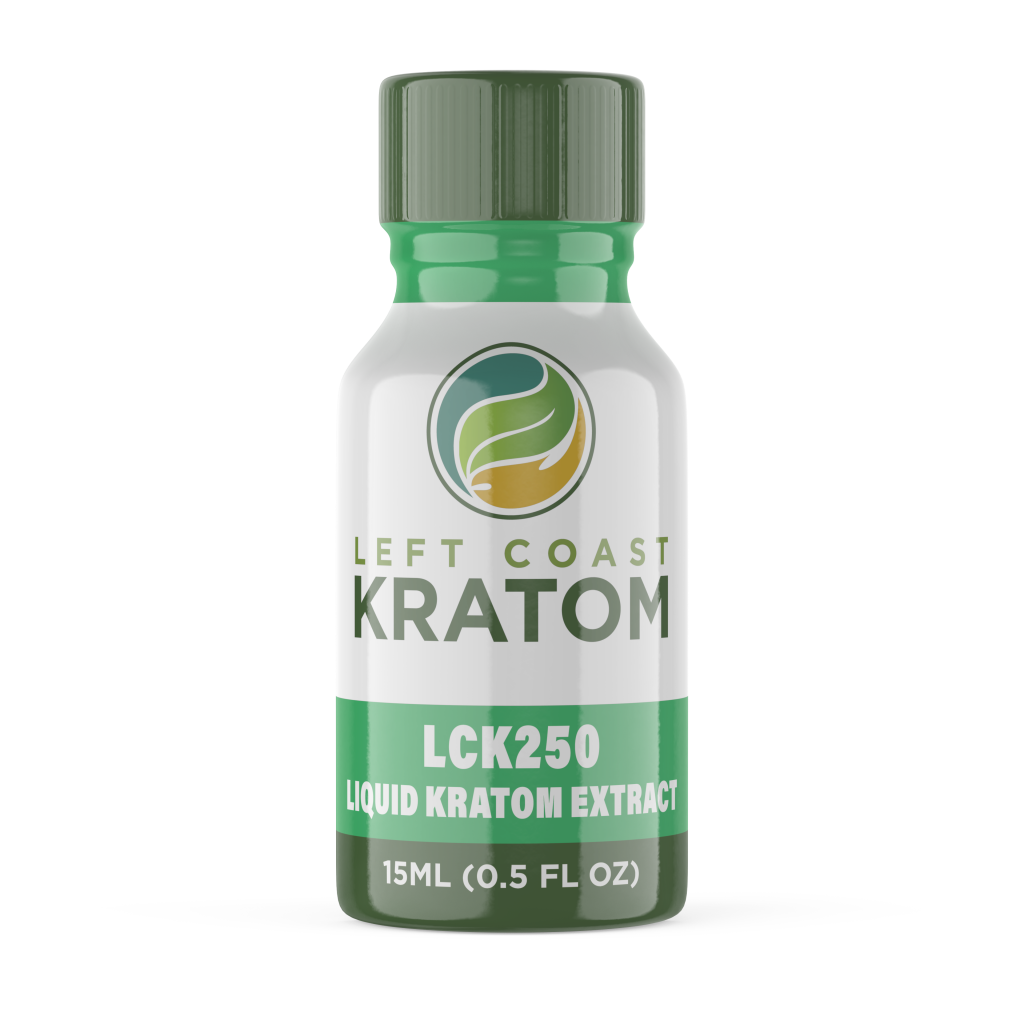
LCK 250 Nano Liquid Kratom Shot

Featuring an impressive 250mg of Mitragynine per bottle, this is one of the most concentrated Kratom products on the market today. This uniquely flavored Kratom shot suppresses Kratom’s bitter organic taste, making for a more pleasant and enjoyable experience.

Each 15ml bottle of LCK 250 Nano Kratom Shot features 250mg of Mitragynine, with 3 servings of 83.33mg each. If you are new to Kratom shots or extracts, you might want to consider one of our other offerings.

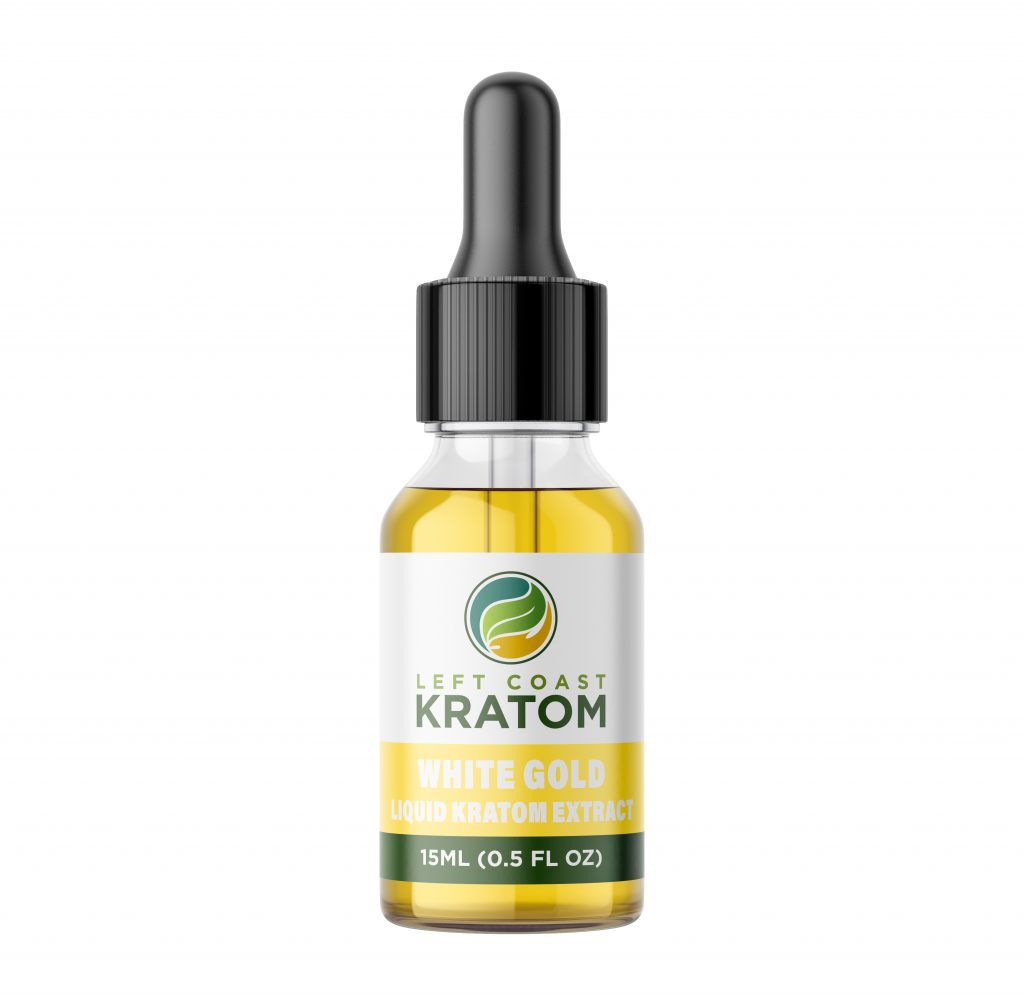
White Gold Liquid Kratom Shot

Our White Gold Liquid Kratom shot contains an impressive 175mg of mitragynine per bottle, making it our 2nd most concentrated form of Kratom. This shot is made for our customers who enjoy our Gold extracts, but want to try them in a liquid form.

Each 15ml bottle of White Gold Liquid Kratom shot features 175mg of mitragynine, with 3 servings of 58.33/each. Additionally, each bottle comes with a 1ml dropper, allowing for precise and easy measuring to ensure that you get the perfect amount every time. Please note: White Gold Kratom Shot is our 2nd highest alkaloid product, designed for experienced Kratom consumers.

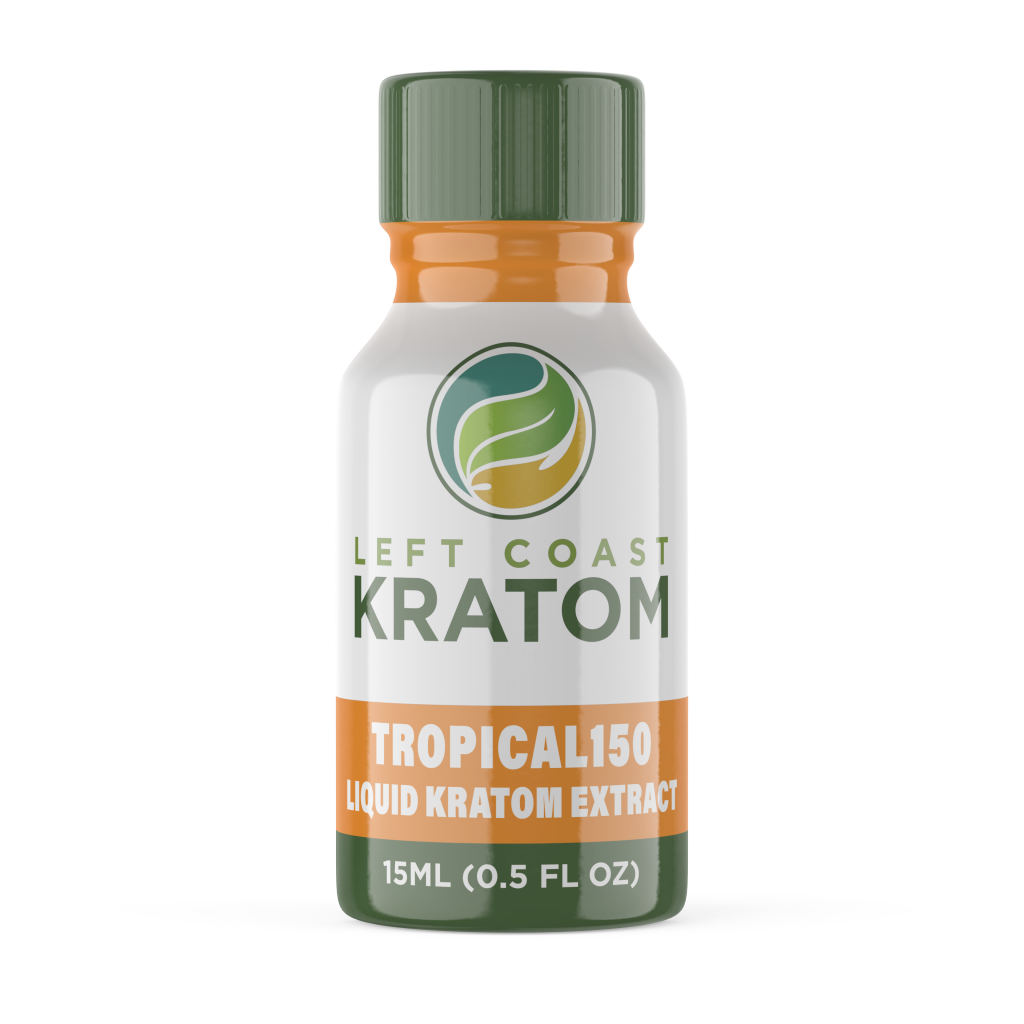
Tropical150 Nano Liquid Kratom Shot

Featuring a delicious tropical flavor and 150mg of high-quality Kratom extract per bottle, our Tropical150 Nano Kratom Shot WILL NOT disappoint. Made using the latest nano-emulsification process, our Tropical150 Kratom shot offers customers the perfect middle-ground between taste and mitragynine content.

Each 15ml bottle of Tropical150 Nano Kratom Shot features 150mg of mitragynine per bottle, offering 3 servings of 50mg each. Made using the same nano-emulsion technology, this Kratom shot offers enhanced bioavailability and taste.

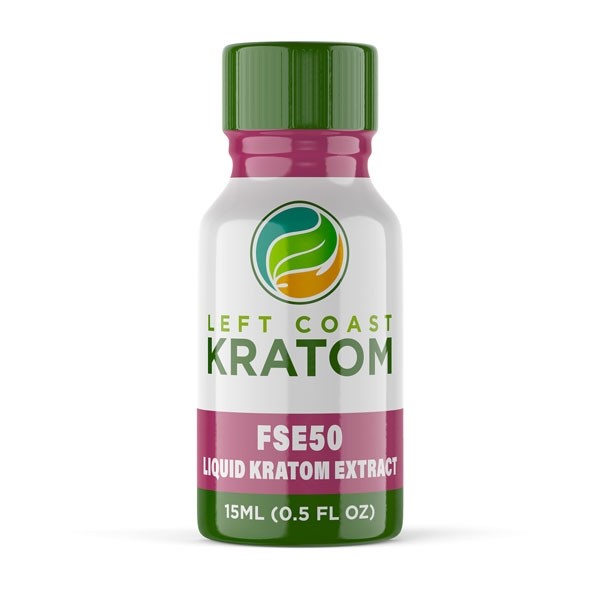
FSE50 Liquid Kratom Shot

The last new addition to our liquid Kratom shot lineup is our FSE50 Kratom shot. Featuring 50mg of mitragynine and a delicious berry flavor, this unique product is perfect for customers new to extracts or kratom shots.

Made using the same proprietary nano-emulsification process as our other shots, FSE50 offers new customers an unparalleled first experience. Each 15ml bottle of FSE50 contains 50mg of lab produced mitragynine per bottle.

Try Them Today!

To sum up, our four new liquid Kratom shots offer a convenient and efficient way to enjoy Kratom anytime, anywhere. With their delicious new flavors, each shot is thoughtfully designed to provide a unique experience. At Left Coast Kratom, we take pride in using only the highest-quality ingredients and subjecting our products to rigorous testing, so you can feel confident that you are getting a safe and reliable product every time. If you’re curious about what all the buzz is about, we encourage you to give these new Kratom shots a try and see for yourself!

Filed Under: Resources Tagged With: consumer education, GMP, kratom shots, nano kratom

How Does Kratom Benefit Local Economies Around The World?

September 29, 2020 by LCK

Every single customer that buys a kratom product is not only supporting the business that they are buying from, but they are also supporting a variety of other businesses as well.

When you buy from a local shop, that shop has sourced the kratom from a larger manufacturer. The manufacturer has sourced the kratom from overseas suppliers and possibly even from farmers directly. The supply chain goes much farther than many people realize!

Kratom as an industry supports small businesses on many levels. From local to national to international, let’s take a look at how the industry supports these businesses.

Kratom: From Sourcing To Customers

What does the kratom supply chain look like?

The chain will vary for different companies and policies, but the general outline usually goes likes this:

  1. Local Farmers
    Local farmers grow or harvest kratom. Some may do this on their own properties; others will work at larger farms where kratom is being grown.
  2. Distributors
    Local or international distributors will broker deals with these farmers to send their unprocessed kratom exports to kratom vendors or manufacturers.
  3. Kratom Vendors
    Once they have the kratom, vendors will process, test, and blend their kratom products.
  4. Local Shops
    While most vendors sell directly to customers, they also sell directly to smaller smoke shops that carry kratom. These shops then sell directly to customers as well.

Most kratom vendors have specific arrangements with farmers and distributors so that they have a secure, steady supply of reliable imports. Once they receive the product, however, they must still test it to ensure the quality.

Supporting Local Businesses With Kratom

The local economy has benefited from the expansion of the kratom industry in the US. We can expect those benefits to continue as kratom becomes even more commonplace. How is kratom having an effect on businesses and economies in America?

National Companies

Many kratom vendors operate primarily online, but that does not mean that they do not employ people and positively affect the economy.

Vendors that important unprocessed kratom must set up:

  • Facility for kratom processing, packaging, and shipping
  • Sales team
  • Marketing team
  • Supply chain management team

Each of these sectors requires that the company hire people. Most kratom vendors ship to all states where kratom is legal in the US, so they are also helping to continue the movement of money between small businesses in America.

Local Stores

Local smoke shops and other companies that carry herbal products may decide to stock kratom on their shelves. Typically, they’ll stock those products directly from national kratom vendors. Purchased in bulk at a discount, these local vendors then sell at MSRP for a profit. In this way, you can also support local business by buying from your local shop.

Supporting The Right Laws

Even if you don’t purchase kratom or you only want to buy from one shop that you rely on, it is possible to support the business that works at all parts of the supply chain in one go.

How do you do this?

Kratom’s legal status has been constantly evolving over the last few years, and the lack of regulation in the industry is causing unreliable vendors to create more problems. By supporting kratom consumer protection laws in your area, you can help to ensure that businesses who profit from kratom will continue to see those benefits.

Choose The Right Vendors

Some vendors are more interested in the overall well-being of the kratom industry than others. When a vendor chooses to put profits before safety, they are jeopardizing the entire industry. Kratom advocates are still fighting for legal protections in the US, and low-quality kratom sales put that legal status at risk.

Do your research before you purchase kratom. Look for vendors that have not only a positive effect on the economy, but also vendors that adhere to good manufacturing practices. The American Kratom Association has a program that vendors can join for this type of guidance known as the GMP Compliance Program, and we are happy to be members. 

Supporting Kratom Production Abroad

As mentioned in the supply chain above, kratom production is not just limited to America. Kratom is a tropical tree native to certain parts of the world, so the actual kratom will always need to be imported from Southeast Asian farms.

When purchasing kratom, you support the farmers that grew and harvested the kratom and the international distributors that connected those farmers to vendors in the US.

Choosing High-quality Production Companies

Choosing kratom vendors in the US that care about the kratom farmers that they buy from is essential. There are no official fair trade practices in the kratom industry yet, but the idea should still prevail. Fair trade prevents farmers from being undervalued or ripped off for an exported product. 

Helps Local Workers

Many Kratom farmers joined the industry as other industries were dying out there. Farmers were unsure what to turn to as some industries were no longer viable. In the kratom industry, they found a great, new living. As a profitable export industry, their farms and lifestyles are revolutionized.

Environmental Effects

Kratom farming is also less dangerous for the environment than palm oil, a common type of plantation seen in Indonesia. By farming kratom instead of palm oil, the farmers are making good money and also keeping their land healthier.

Left Coast Kratom: People First

From our customers to the farmers that we buy kratom from, Left Coast Kratom is devoted to acknowledging the work that creates high-quality kratom. Through your support, we can compensate everyone that works on our products fairly. 

Additionally, the local shops that stock our products are able to continue the supply chain into the local business arena, and we know that this can have a positive effect in many communities. From start to finish, the kratom industry provides opportunities and support to people that might otherwise be left behind, and we are proud to be a part of that.

Click Here To Browse Our Catalog Of Superior Quality, Ethically Sourced Kratom!

Filed Under: Resources Tagged With: cGMP, distributors, economics, economy, fair trade, farmers, featured, kratom, retailers, supply chain, sustainable, vendors

What We Say: How and Why Kratom Advertising Is Restricted

September 15, 2020 by LCK

Kratom is classified as a food in many parts of the United States. This classification puts limitations on what we as kratom vendors can and cannot say about our products. The FDA limits what is permitted, and we must follow those guidelines if we want to be able to continue to market and sell our products legally.

How exactly do these restrictions come into play, and why aren’t we fighting against them?

Let’s talk about kratom, kratom labeling, and how advocacy organizations are working to improve the misinformation surrounding kratom.

What Can And Cannot Be Said

Ultimately, the FDA has made it clear that they are willing and able to send cease-and-desist letters to any kratom vendor that is publishing what they deem to be unsubstantiated claims.

Even in the articles that we publish, we have to be careful about our language and how we talk about kratom.

In the past, companies selling kratom have made huge claims about what kratom can do, and the FDA pushed back against these. But it wasn’t only bold claims that the FDA warned about; simple, seemingly common knowledge statements have also attracted their attention. 

Risky Statements

What type of statements do we have to be careful about when using on our site? There are many, and it is also difficult for us to follow these limitations. We want to be as open, clear, and helpful as possible for our customers, but FDA rules make this difficult at times.

These are just a few examples of statements that have got kratom vendors into trouble with the FDA in the past:

  • Claiming that people use kratom as an alternative to some medications.
  • Claiming that people prefer kratom over their other medication options.
  • Claiming that people use kratom to help them stop using other things.
  • Claiming that kratom has specific benefits.

We know that these examples are vague, and that is intentional as not to catch ourselves in this trap. As you can see from the breadth of those examples, however, it becomes difficult for honest vendors like ourselves to share any information or evidence with our customers without risking trouble.

What Are Unsubstantiated Claims?

Let’s talk a little more specifically about what the FDA considers “unsubstantiated claims,” which is the most common reason they send out warning letters. We’ve given a few vague examples above, but let’s look at direct news from the FDA to see how they frame their approach.

Specifically, a press report from the FDA states the following:

  • Vendors are selling kratom “with deceptive medical claims for which there’s no reliable scientific proof to support their use.”
  • Vendors “ take advantage of consumers by selling products with unsubstantiated claims that they can treat opioid addiction.”

If the FDA is truly against products that are not backed by science and willing to support kratom research, that would be an understandable position. However, the statement goes on to say that Kratom is an “opioid analog that may actually contribute to the opioid epidemic,” which may be an unsubstantiated claim by the FDA’s own rules.

Additionally, the FDA report states that the FDA is willing to look into how kratom may or may not relieve pain or opioid addiction symptoms if people believe that kratom’s active ingredients show that potential. However, the AKA states that FDA has refused to support that type of research for years.

Simultaneously, the National Institute on Drug Abuse has refused to support scheduling kratom as a drug because NIDA’s own research has not borne out that claim according to NIDA’s standards.

As you can see, it is a very confusing field for kratom vendors like ourselves to navigate. Our goal is always to provide safe, high-quality products to our customers. We want to support those products with information, but it isn’t always an easy thing to do.

The Standards We Follow

How do we handle the labeling and advertising of our products when faced with limitations and concerns about what we can and cannot say?

As members of the American Kratom Association’s GMP Compliance Program, we ensure that our labeling fits these things’ standards. AKA is up-to-date with the FDA’s latest requirements, and they are also at the forefront of helping to implement Kratom Consumer Protection Acts in states across the country.

In short, they know what they’re talking about when it comes to labeling, advertising, and more.

As of June 2020, the compliance program has laid out the following guidelines for vendors and marketing:

  • Labels may not include:
    • Any disease-related or unauthorized health claims
    • Any reference to a “high”
    • Any reference to clinical or research data
  • Labels must:
    • Be fully compliant with FDA claim rules
    • Include a batch or lot number
    • Affirm that mitragynine and 7-OH alkaloids haven’t been altered from their original allocation
    • Advise consumers to talk to a physician about dosing
    • Include a statement that pregnant women should not use kratom
    • Include this exact statement:  “This product is not intended to diagnose, treat, cure, or prevent any disease or condition.”

These same rules apply to the descriptions, websites, and advertisements used when marketing kratom products.

New: The Truth in Labeling Program

Recently, the American Kratom Association has started a reporting program known as the Truth in Labeling Program.

Due to the rise in vendors directly going against the guidelines expected by the FDA, the American Kratom Association and other advocates have seen a need for a program to keep track of and improve improper labeling practices.

Through this program, the AKA hopes to educate vendors that are putting the industry at risk through dishonest practices. If the vendors refuse to change their ways, the industry will start to self-regulate by reporting offenders to the FDA. To read more about how or why the Truth in Labeling Program is meant to work, you can check out AKA’s statement.

Filed Under: Resources Tagged With: accuracy, advocacy, cGMP, compliance, featured, GMP, kratom, lableling, marketing, mitragyna speciosa, regulation, regulations

Understanding Kratom: Kratom Alkaloids Explained

September 1, 2020 by LCK

Natural substances like kratom have an effect on the body because of their chemical composition. Kratom itself is made up of many chemical components. When those components are released in the body, they bind and interact with human physiology in different ways.

While only a few kratom alkaloids are well known even among veteran consumers, kratom is actually made up of more than 40 alkaloids – and counting! What are these kratom alkaloids, and what types of effects are they being studied for?

Learning more about these alkaloids can help you better understand the myriad of ways kratom may be further developed and used. Let’s take a closer look!

What Are Kratom Alkaloids?

Alkaloids are a type of naturally-occurring compounds found in many plants. These compounds contain at least one nitrogen atom. These compounds bind readily with receptors in the human body; they cause physiological effects because of this binding. Common alkaloids include caffeine and morphine. The impacts of alkaloids vary widely.

Kratom is a natural plant, and kratom leaves have a variety of alkaloids in them. In fact, more than forty different alkaloids have been found in kratom. Many of these alkaloids have specific physiological effects on the body. Those alkaloids are being studied in more detail to find out what types of benefits might be found.

The specific alkaloid concentration in kratom leaves can vary from tree to tree, strain to strain.  For that reason, additional research of the individual components is even more critical. Once the individual alkaloids are better understood, the potential effects of various alkaloid combinations can be studied in more detail as well.

Kratom Alkaloids Explained

Now that you know what alkaloids are, let’s cover kratom’s alkaloids and alkaloid composition of this plant in more detail.

What We Know

The alkaloid content of kratom leaves varies from plant to plant, tree to tree, and location to location. There is no guarantee of the exact breakdown of alkaloids in any kratom leaf because many things affect the alkaloid composition:

  • Harvesting time and frequency
  • Weather patterns
  • Soil composition
  • When leaves are harvested
  • Dry season length
  • Strain
  • Geographic location
  • Age of leaves

As teams studied kratom leaves in the 1970s and 1980s, they found that the alkaloid concentration varied in many ways. They began to compare samples and found that the above factors, as well as many others, changed what alkaloids were most prevalent in the leaves.

Despite the fact that more than 40 alkaloids have been identified in kratom leaves, only two of those alkaloids (mitragynine and 7-hydroxymitragynine) are given credit for the effects of kratom. That’s because they occur in the greatest concentrations. Mitragynine usually makes up around 60% of the alkaloid content of kratom leaves on average.

As kratom is studied in more detail in upcoming years, we can expect to find out more about the variances in alkaloids in terms of effects and growth patterns for the kratom plants.

Meet The Alkaloids

Though more research still needs to be done about these substances, there are some alkaloids that have been studied after being found in kratom.

Mitragynine

The most prevalent alkaloid in most kratom leaves, mitragynine, is partially responsible for many of kratom’s active effects. It has been studied for many common uses, which can be fairly easily researched. As the primary kratom alkaloid, it is one of the two alkaloids that has its content percentage detailed on kratom packaging. 

7-hydroxymitragynine

The other kratom alkaloid that is typically acknowledged by kratom vendors is 7-hydroxymitragynine. While the amount of this alkaloid is substantially smaller than that of mitragynine, it is also a significant player in kratom’s active effects. It has been studied for its unique effects and receptor binding in particular.

The Phyllines

The naming of alkaloids is typically based on the original plant family that those alkaloids come from. A number of alkaloids found in kratom are named with the -phylline base. Mitraphylline, isomitraphylline, speciophylline, rhynchophylline, isorhynchophylline, and ciliaphylline are all found in kratom.

These alkaloids are likely to be studied for their potential beneficial actions, and we hope to learn more soon about how they interact with functions of the human body.

Paynantheine and Speciogynine

After mitragynine, paynantheine and speciogynine make up for the largest percentage of alkaloids in kratom leaves. These two alkaloids have been compared to similar alkaloids with and it may be assumed that their qualities are similar. It is possible that these alkaloids contribute to some benefits of kratom, but more research is needed.

Corynoxine A and B

Found in other natural plant products as well, these alkaloids interact with important receptors in the human body. This means that they may affect the binding of body chemicals in some way. These alkaloids, like many others, are found in concentrations of far less than 1% in most leaves.

Why Is It Important To Know About These Alkaloids?

Simply put: we need to put more resources into studying them!

Kratom research has been progressing at a very slow pace for the last few years. Among other reasons, that is because of the complicated laws surrounding the possession, use, and classification of kratom. Funding kratom research is difficult whenever there are no laws clearly protecting its status.

As laws become clearer and kratom earns a more protected status in the US, we can expect to see more research about kratom and how it can affect the body. In particular, a lot of that research is likely to focus on the individual alkaloids found in kratom and their effects.

Scientists, in particular, are very interested in kratom’s potential effects. However, more research needs to be done on kratom’s alkaloids.

The Future Of Kratom

Kratom as a whole plant and food product will continue to be studied, but we can also expect to see more and more branch-off studies of individual components. Often, it is easier to understand the effects of the broad plant if we studied individual chemical components first.

Mitragynine and 7-hydroxymitragynine are being studied more than other alkaloids at this time, but that is going to change as kratom becomes more heavily researched. We’re excited to find out what is discovered about every facet of kratom!

Filed Under: Resources Tagged With: 7-hydroxymitragynine, alkaloids, Corynoxine, featured, kratom, mitragyna speciosa, mitragynine, Paynantheine, phyllines, Speciogynine

  • Go to page 1
  • Go to page 2
  • Go to page 3
  • Interim pages omitted …
  • Go to page 10
  • Go to Next Page »

Primary Sidebar

Left Coast Kratom Logo

Left Coast Kratom is here to help you experience the freshest highest quality kratom powders and extracts at competitive prices. We value customer service and will go above and beyond to deliver amazing products fast and at a quality you expect.

If you have any concerns or questions then please get in touch by emailing support@left-coast-kratom.com.

Customer Service

  • Affiliates!
  • Customer Rewards
  • Privacy Policy
  • Terms of Service
  • Contact Us
  • Shipping & Delivery
  • Orders & Returns

Information

  • Frequently Asked Questions
  • Reward Points
  • Site Map
  • Partner Sites

© 2023 Left Coast Kratom - Kratom Resources. All Rights Reserved.

Privacy Policy   Terms of Service